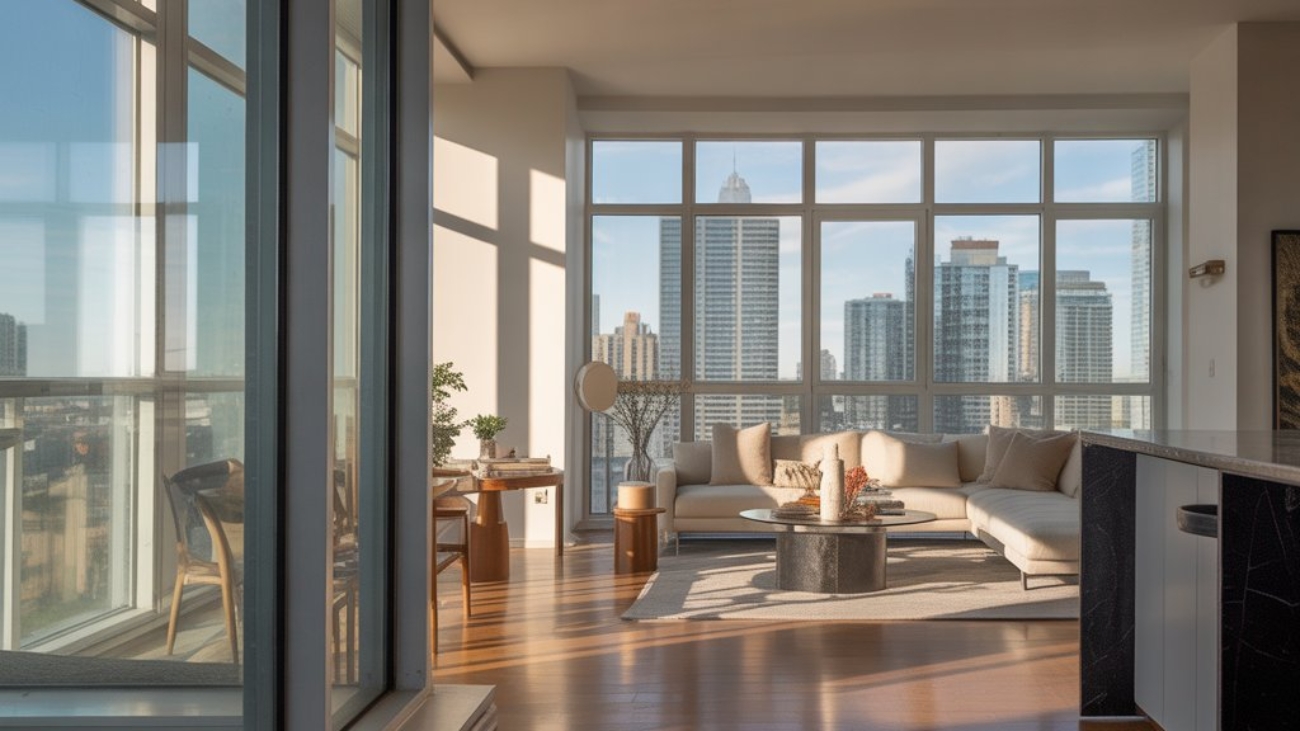
AI virtual staging can help an empty Toronto property feel easier to understand—but only when the furniture, lighting and proportions still look believable. The goal is not to create a fantasy room. It is to show buyers or tenants how a real space could be used without hiding its true size, layout or condition.
This guide explains how virtual staging services in Toronto work, which types of real estate photo editing are useful, what makes an image look fake, and what Toronto realtors, property managers and sellers should check before publishing an edited listing.
Need photography for an upcoming listing? Explore our real estate photography services in Toronto, or contact Green Day Photography to discuss photography and virtual staging options for your property.
What Is AI Virtual Staging?
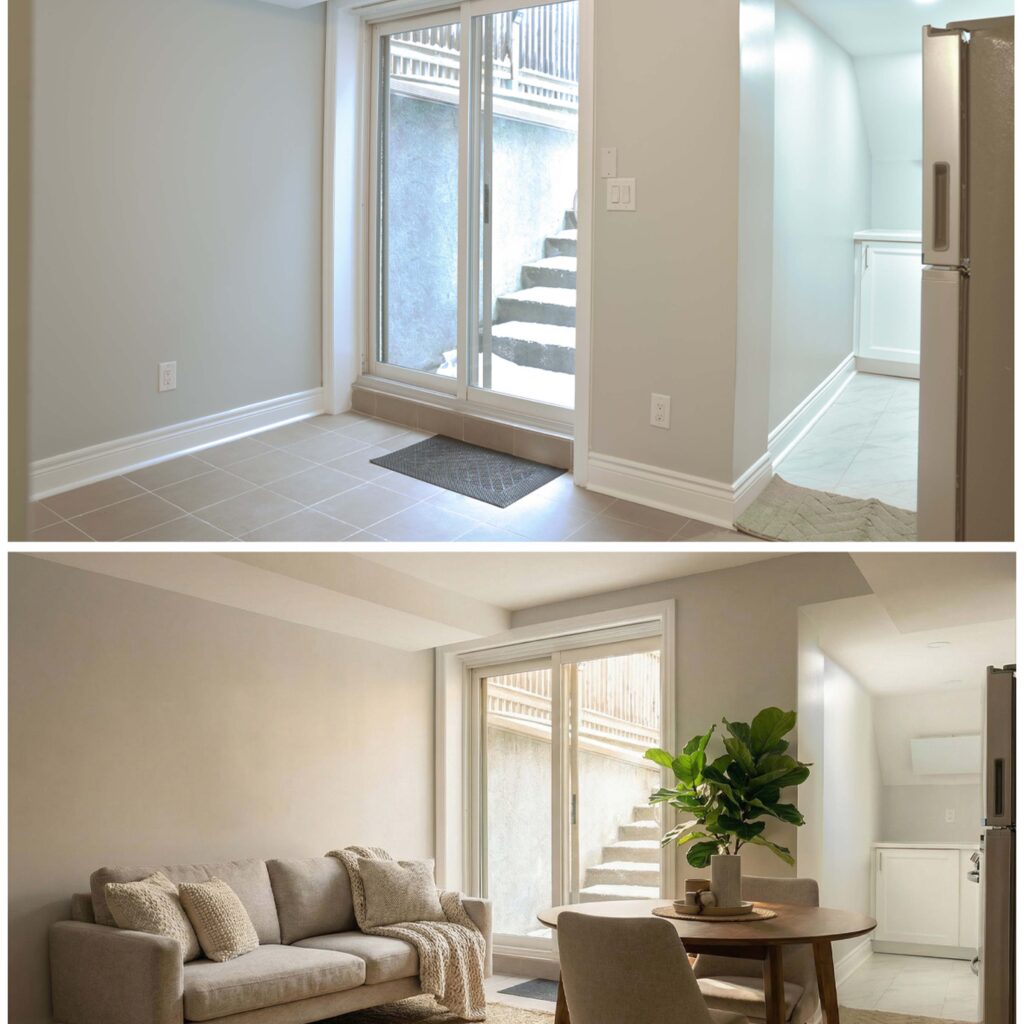
AI virtual staging adds digitally created furniture and décor to a photograph of an empty or sparsely furnished room. It is different from standard real estate photo editing. Regular editing corrects exposure, colour, perspective and small distractions; virtual staging changes how the room is presented by adding furnishings that were not physically there.
For Toronto listings, virtual staging can be particularly useful for vacant condos, newly renovated homes, basement apartments, rental units and properties where physical staging would be difficult or expensive. A staged image can help viewers understand whether a room could hold a dining table, sectional sofa, desk or bedroom set.
Important: virtual staging should support an accurate listing—not replace it. Keep the original empty-room photograph available, clearly identify staged images, and confirm the current requirements of your brokerage, real estate board and listing platform before publication.
AI Editing, Human Retouching and Virtual Staging: What Is the Difference?
AI-assisted photo editing
AI-assisted editing can speed up exposure blending, window balancing, sky selection, colour correction and basic cleanup. It works best as part of a controlled workflow rather than as an automatic one-click filter.
Human real estate retouching
A human editor checks vertical lines, colour consistency, reflections, window detail, room-to-room continuity and small errors that automated tools often miss. This review is essential when architecture, scale and accurate colour matter.
Virtual staging
Virtual staging adds items such as sofas, beds, dining sets, rugs, lamps or artwork to an empty room. Because the added objects can influence how large a room appears, realistic scale and honest disclosure are more important than dramatic styling.
When Virtual Staging Works Best for Toronto Listings
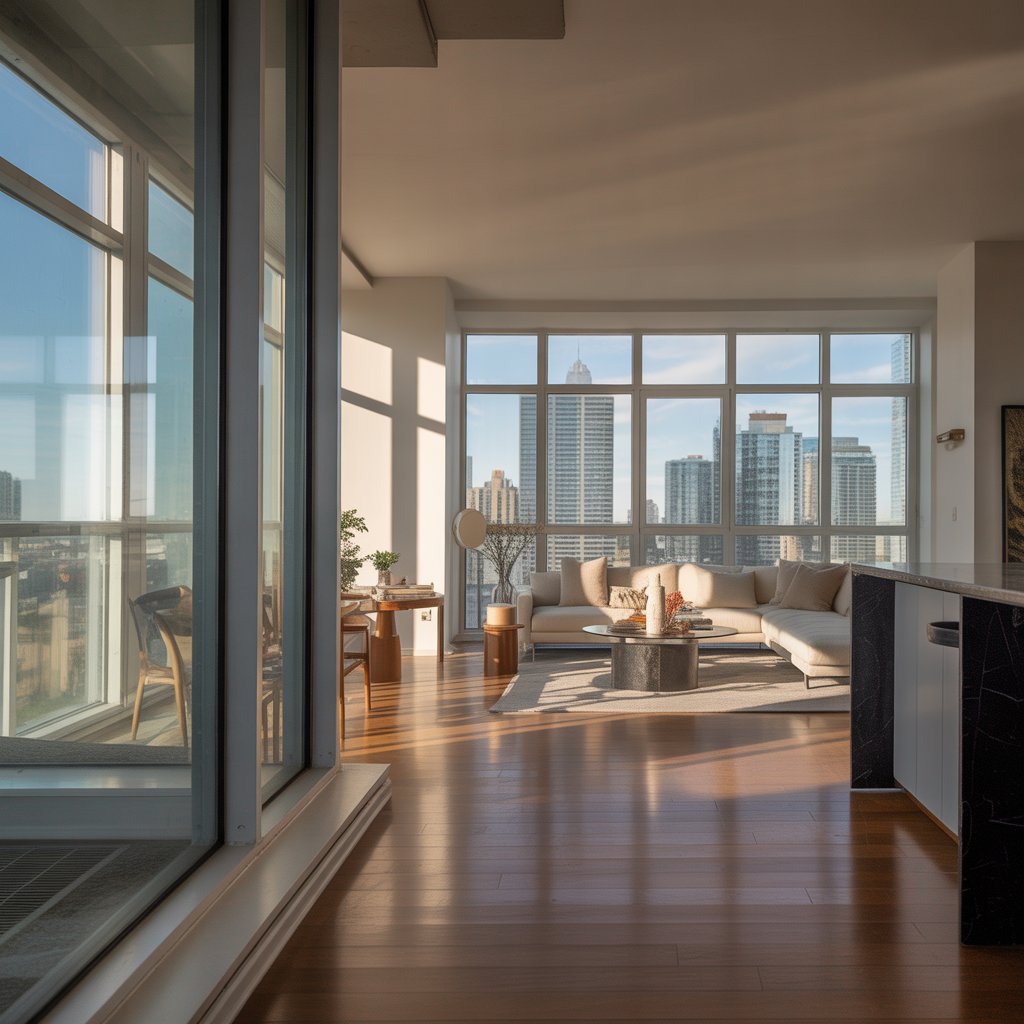
- Vacant condos: furniture helps define an open living and dining area without blocking the view.
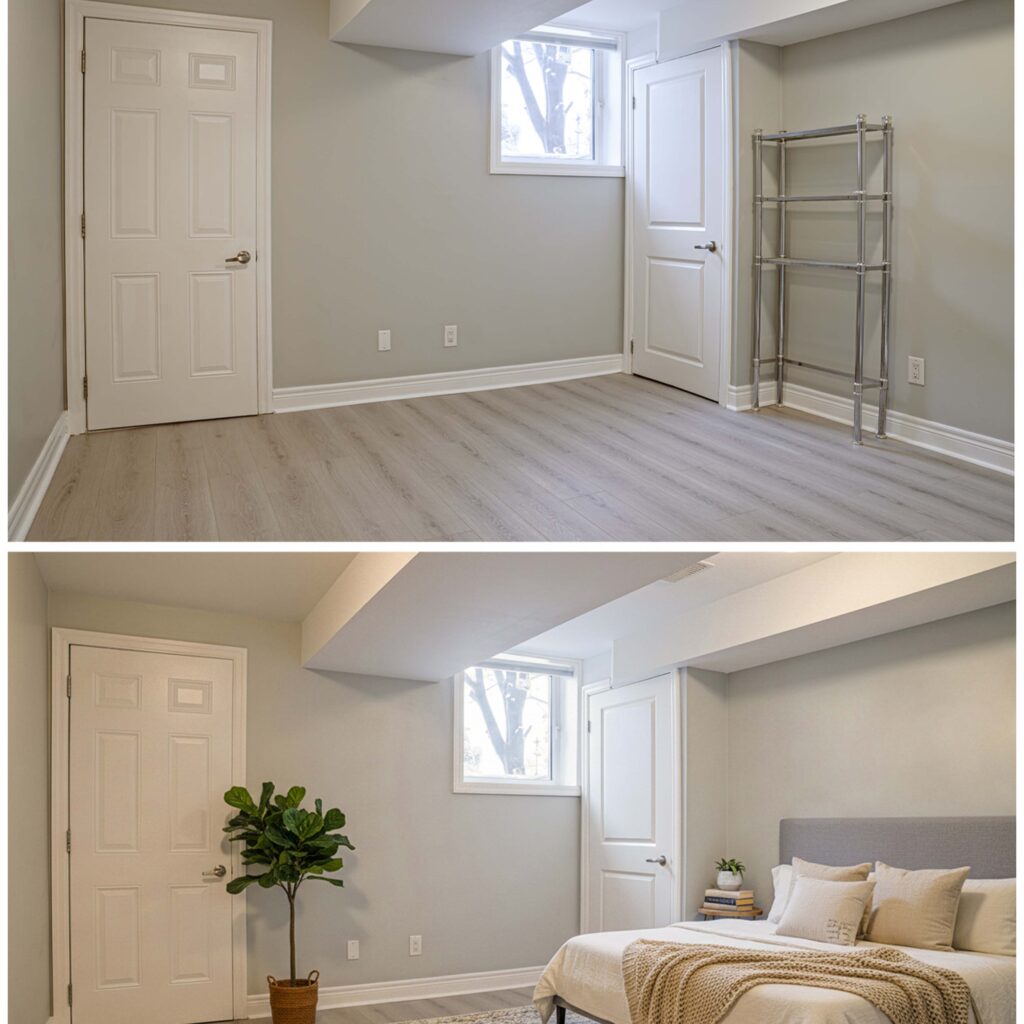
- Empty bedrooms: a properly scaled bed and side tables make the room’s function immediately clear.
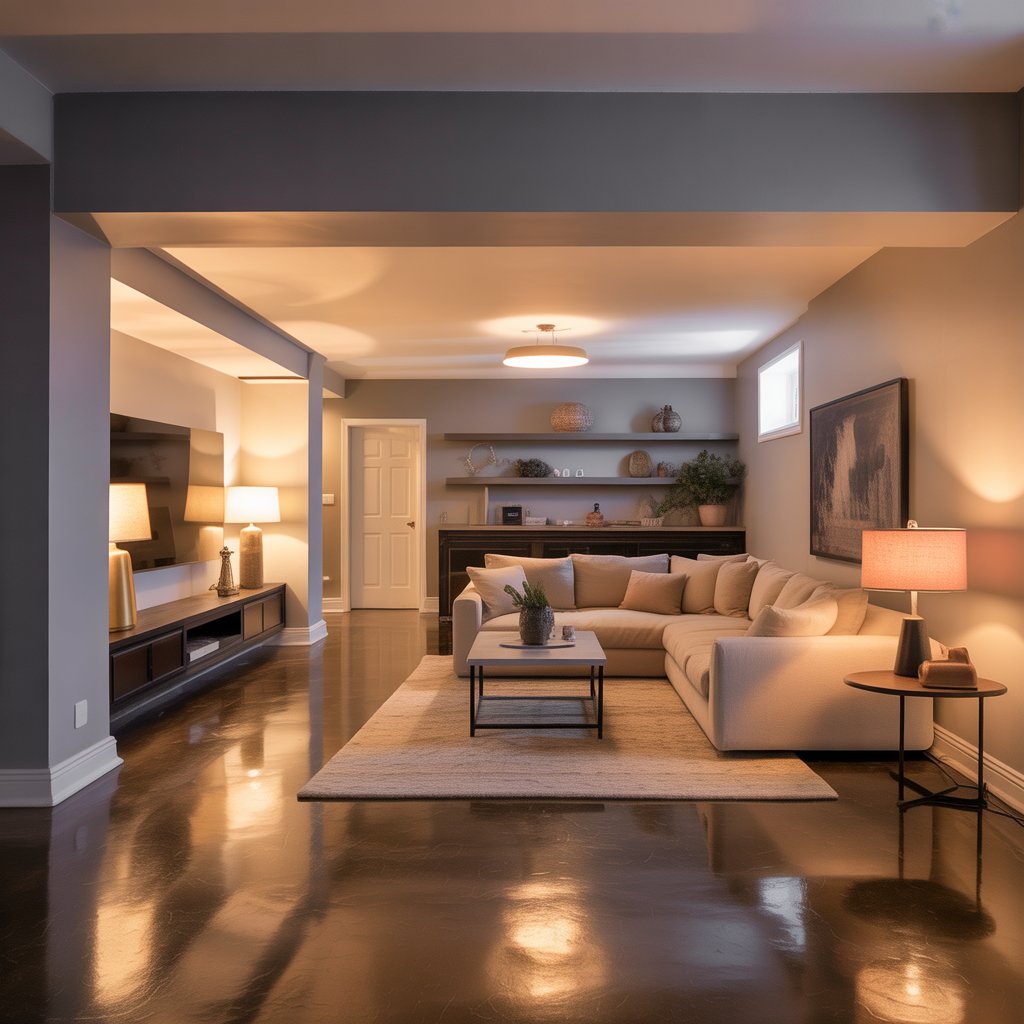
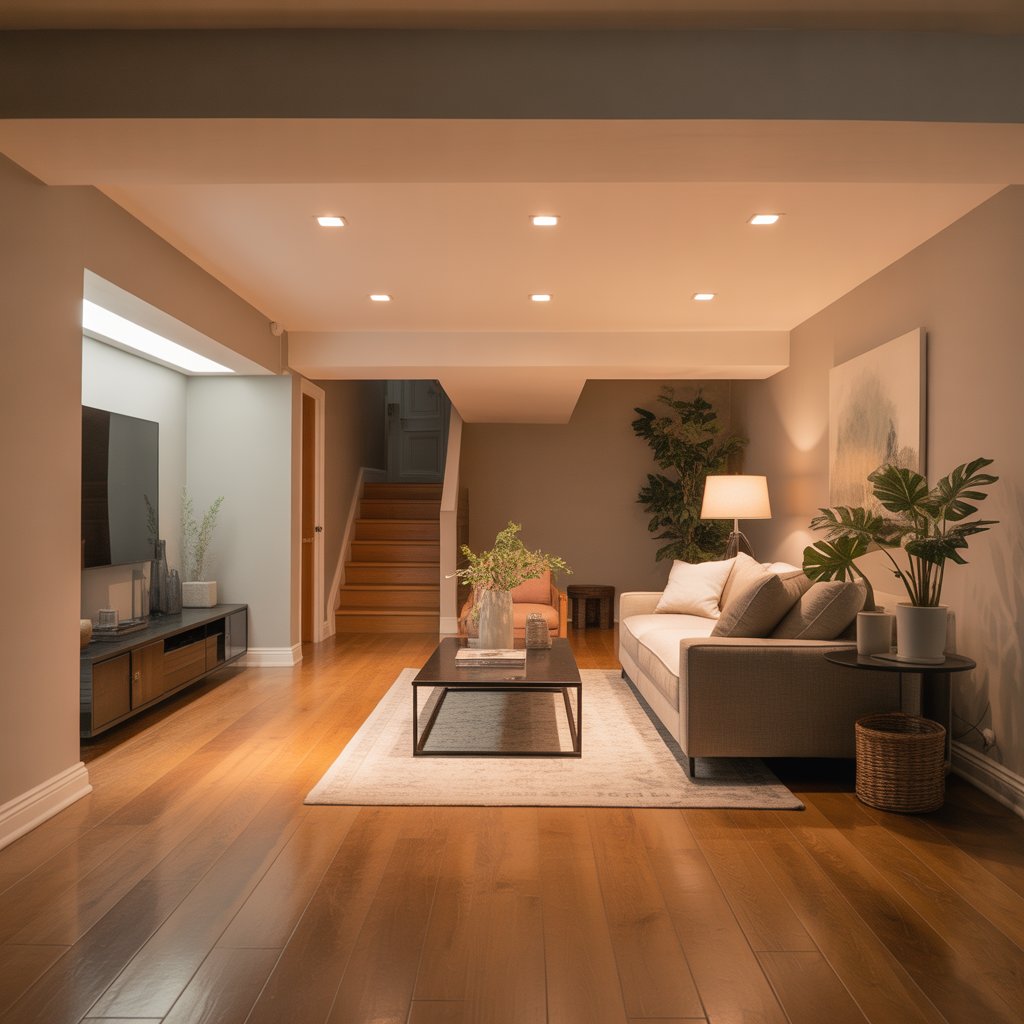
- Basement apartments: careful staging can explain the layout while realistic editing protects the character of the available light.
- New builds and renovations: virtual furniture can give context to finished but unfurnished spaces.
- Rental listings: staged images can help prospective tenants understand how a compact room may be arranged.
Virtual staging is less useful when a room is already well furnished, when the photograph has severe distortion, or when major structural details are hidden. In those cases, better preparation and professional capture usually create a more trustworthy result. Our home preparation checklist for real estate photography can help before the session.
What Makes Virtual Staging Look Real?
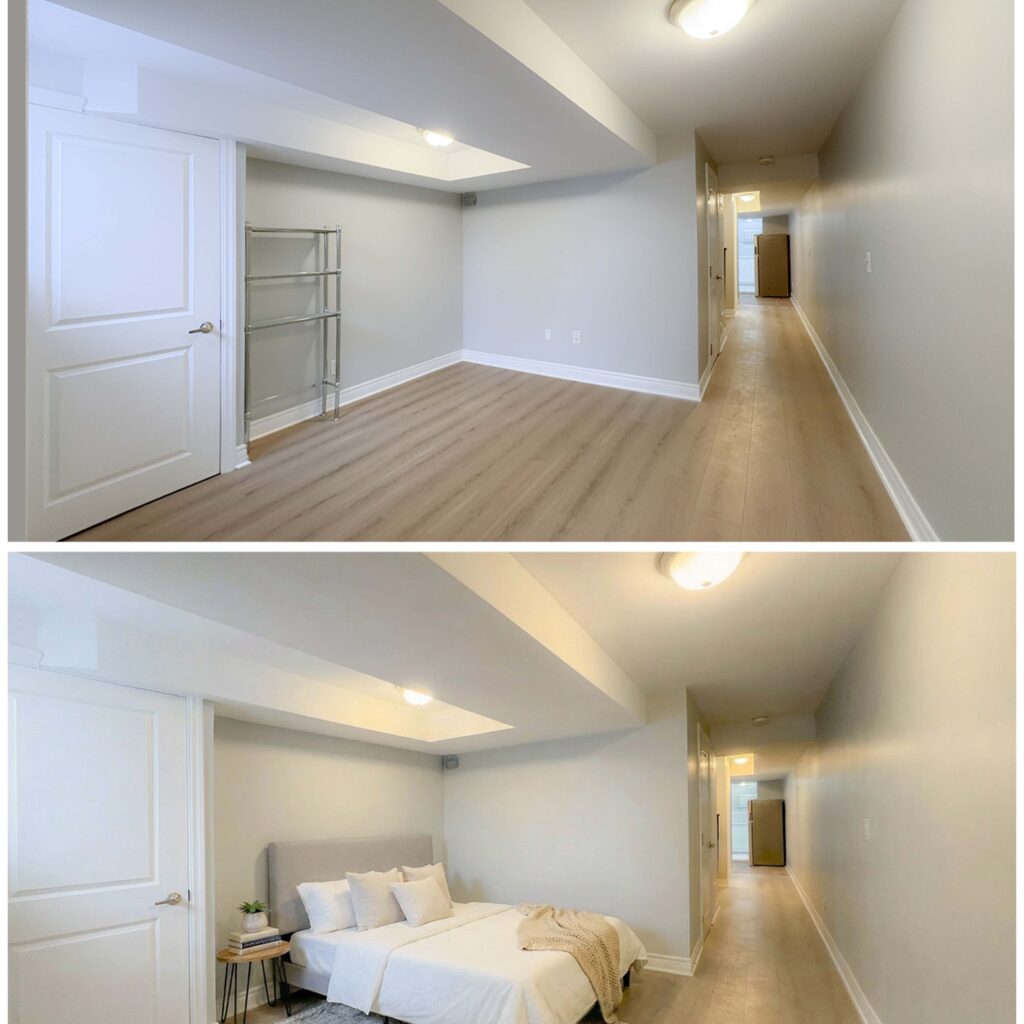
Correct furniture scale
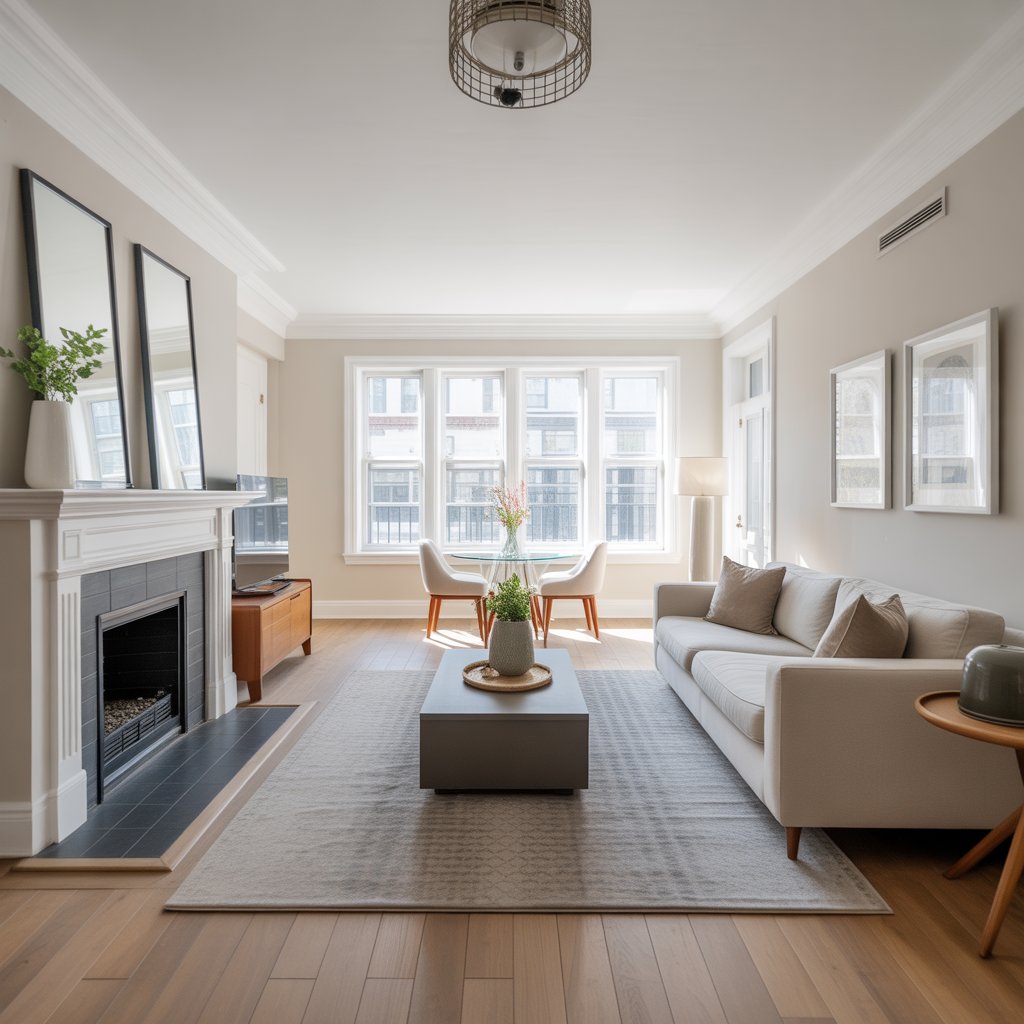
A sofa, bed or dining table must match the room’s actual dimensions. Oversized furniture can make a space appear larger than it is, while undersized furniture may make the room feel unusually spacious. Doors, windows, outlets and ceiling height provide useful visual references for scale.
Consistent perspective and shadows
Furniture legs should sit on the floor, parallel lines should follow the room’s perspective, and shadows should agree with the existing light direction. Floating rugs, mismatched shadows and furniture that clips into walls are common signs of low-quality AI staging.
A restrained design style
Neutral, current décor usually works better than a highly stylized fantasy interior. The design should support the property’s architecture and likely audience. A downtown condo, family home in North York and rental unit in Richmond Hill may need very different visual treatments.
Accurate architecture and permanent features
Virtual staging should not move windows, widen rooms, change flooring, remove structural columns or invent permanent upgrades. If a proposed renovation concept is shown, it should be identified separately from an ordinary staged listing photo.
Real Estate Photo Editing That Helps Without Misleading
Natural HDR and window balancing
Professional HDR editing combines multiple exposures so the room and exterior view remain readable. The finished image should retain natural contrast, realistic window brightness and texture in walls, cabinetry and flooring. Grey shadows, glowing window frames and crunchy edges usually mean the blend has been pushed too far.
Colour correction
Mixed daylight and interior bulbs can create yellow, blue or green colour casts. Careful correction keeps white walls neutral and finishes consistent from room to room. The goal is accurate colour—not a trendy filter.
Sky replacement
A subtle sky replacement can rescue an exterior photographed on a dull day, but the new sky must match the direction of light, season, reflections and time of day. A dramatic sunset behind a property photographed at noon rarely looks credible.
Small distraction removal
Temporary visual clutter, cords, minor reflections or small distracting items may sometimes be cleaned up. Permanent defects, fixed property features and information a buyer or tenant should reasonably see should not be concealed.
Common AI Editing Problems That Make a Listing Look Fake
- Warped architecture: bent walls, curved door frames, uneven cabinets or impossible window shapes.
- Floating furniture: items that do not sit naturally on the floor or cast believable shadows.
- Incorrect room scale: beds, sofas or tables that would not physically fit.
- Inconsistent reflections: staged furniture missing from mirrors, glass doors or polished surfaces.
- Invented renovations: new flooring, fireplaces, windows or cabinetry presented as if they currently exist.
- Overprocessing: neon grass, orange interiors, heavy sharpening and unnatural blue skies.
Our Human-Reviewed AI Editing Workflow
- Professional capture: correct camera height, lens choice and lighting create an accurate starting point.
- Base corrections: exposure, white balance, vertical lines and window detail are adjusted.
- AI-assisted work: approved tools may be used for selected repetitive edits, cleanup or virtual staging.
- Human review: an editor checks scale, geometry, textures, colour, shadows and room-to-room consistency.
- Final quality control: the finished images must remain bright, natural and believable at normal viewing size and when enlarged.
AI can speed up part of the process, but it does not replace professional capture or the judgement of an experienced editor.
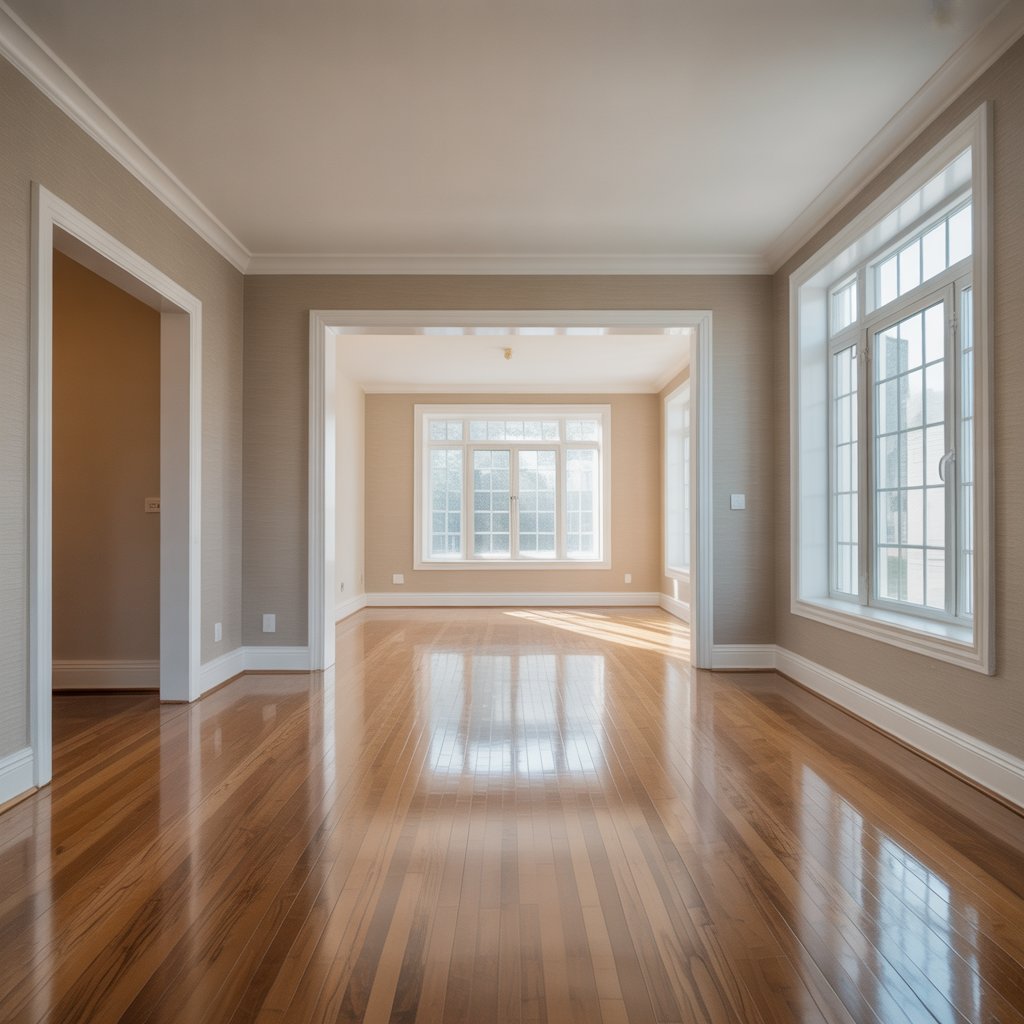
A Practical Before-and-After Workflow for a Dark Basement
A Toronto basement apartment may have limited daylight, dark finishes and an unclear layout. The first step is still careful photography: a level camera, appropriate focal length and balanced lighting. Editing can then lift heavy shadows while preserving the direction of light and the real colour of walls and flooring.
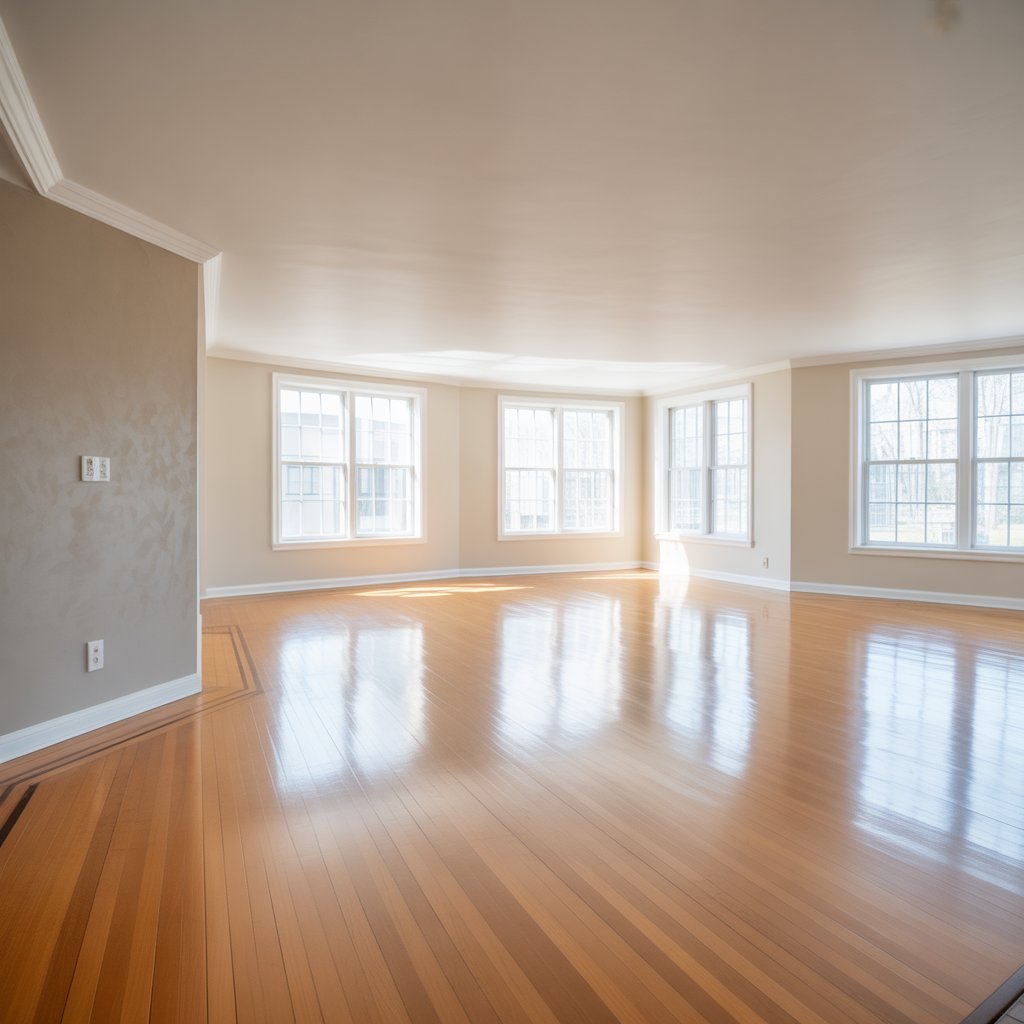
If the unit is vacant, virtual furniture may be added to demonstrate a possible living-room or bedroom arrangement. Scale should be checked against doors, ceiling height and floor area. The final delivery should include or make available the original empty-room view so the audience can distinguish the photographed space from the staging concept.
How to Order Virtual Staging or Edited Listing Photos
- Send the property address, intended listing date and number of rooms or images.
- Tell us whether you need photography, editing, virtual staging or a combination.
- Share the likely buyer or tenant profile and any preferred décor direction.
- We review the files and confirm what can be completed realistically.
- You receive a quote based on the property, selected services and number of staged images.
For current photography options, visit our Toronto real estate photography price guide. We also provide local real estate photography in Markham and Richmond Hill.
Frequently Asked Questions
Is virtual staging the same as real estate photo editing?
No. Standard editing improves the photographed image; virtual staging adds furniture or décor that was not physically present. Both can use AI tools, but virtual staging requires clearer disclosure and more careful scale control.
Should I include the original empty-room photo?
Including the original view is a transparent and useful practice. It lets viewers compare the real room with the suggested furniture layout. Confirm the current rules that apply to your brokerage and listing platform.
Can AI remove damage or change permanent features?
Editing should not conceal material defects or represent permanent changes as existing facts. Renovation concepts should be clearly separated and labelled as concepts.
How much does virtual staging cost in Toronto?
Pricing depends on the number of images, room complexity and whether photography is also required. Contact us with the property details and selected images for an accurate quote.
Can occupied rooms be virtually restyled?
Sometimes, but removing existing furniture and rebuilding a room introduces more opportunities for errors. A clean empty-room photograph usually produces the most accurate result. We can review the image before recommending an approach.
Request a Virtual Staging or Real Estate Photography Quote
Green Day Photography provides real estate photography and human-reviewed AI editing for properties across Toronto and the GTA. Tell us what you are listing, which rooms need help and when the images are required. We will recommend a practical approach that keeps the property attractive and believable.
Add a Comment